• Cosas belgas
  • Qué leo
  • Sobre mí

Maven Trap

~ Economía, RRII, periodismo

Maven Trap

Publicaciones de la categoría: Internacional

Tres razones para suscribirse a The New York Times

05 martes Ago 2014

Posted by suanzes in Internacional, Periodismo

≈ 2 comentarios

– Esto, interesantísimo. «How the New York Times Handles Israeli Censorship«. Jodi Rudoren, que es la bureau chief del New York Times en Jerusalén, explica sus relaciones con la censura israelí estos días. Cuenta que ella, como todo periodista que quiera acceder a determinados lugares (como Gaza) tiene que firmar un papel en el que se comprometé a aceptar las normas de censura del país. Lleva más de dos años allí, y hasta ahora no había tenido noticias del censor, pero el otro día, tras el aparente secuestro de un soldado israelí (emparentado con un alto mando), recibió la llamada. Y detalla el proceso y cómo el periódico, si quiere, se salta el muro simplemente publicando todo lo que tiene pero firmándolo desde fuera del país. Pero cómo, en el artículo en el que tuvieron que dejar fuera un párrafo, añadieron un disclaimer explicando a sus lectures lo anómalo de la situación.

– Y hay que leer lo que escribe Anne Barnard desde Gaza también: «In Fatal Flash, Gaza Psychologist Switches Roles, Turning Into a Trauma Victim«. La triste historia del psicólogo Hassan al-Zeyada. Durante años ha atendido a cientos de pacientes traumatizados en su tierra. Ahora, mientras sigue intentado ayudar, él mismo se ha convertido en una víctima. El pasado 20 de julio, seis familiares, incluyendo a su madre y tres hermanos, murieron en un ataque aéreo israelí.

– Una investigación de Rukmini Callimachi también en el NYT: «Paying Ransoms, Europe Bankrolls Qaeda Terror«. Sobre cómo los rescates pagados por los gobiernos (o empresas) europeos financian de hecho a Al Qaeda y sus diferentes asociados. Con cifras astronómicas: «Al Qaeda and its direct affiliates have taken in at least $125 million in revenue from kidnappings since 2008, of which $66 million was paid just last year». «In news releases and statements, the United States Treasury Department has cited ransom amounts that, taken together, put the total at around $165 million over the same period».

————-

Suscribirse al diario no es caro. Yo pago 15,24 euros al mes por el acceso a la web y desde el iPad. (Hay otras ofertas, más caras y más baratas). Y merece totalmente la pena.

Ruanda: 1994-2014

07 lunes Abr 2014

Posted by suanzes in Historia, Internacional, Periodismo

≈ 3 comentarios

Ruanda

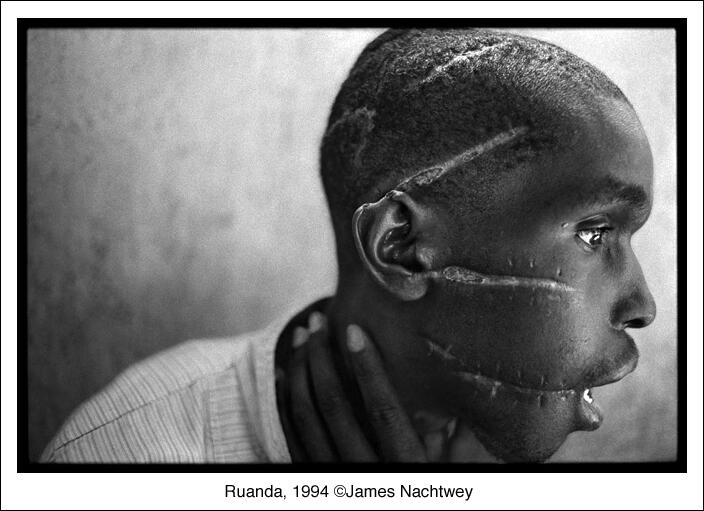
El 6 de abril de 1994, un misil derribó el avión de Juvenal Habyarimana, el presidente hutu de Ruanda. Ese mismo día comenzó el mayor genocidio desde la Segunda Guerra Mundial. Una obra planeada, deseada, salvaje. .Entre 800.000 y un millón de personas fueron asesinadas. La mayoría tutsis. La mayoría a cuchilladas, con machetes, azadas, palos. Medio millón de mujeres fueron violadas. Cientos de miles, heridos. Los refugiados, incontables.

Lo mínimo que podemos hacer es recordarlo. Honrar la memoria de los olvidados. Con sus palabras, sus testimonios, y los de los que allí estuvieron para contarlo.

Una web de referencia: Rwandan Stories. Vídeos, fotos, historias, recuerdos. Dolor. Completísima. En inglés.

– En El País, una galería de fotos durísimas. Varias de ellas de Gervasio Sánchez. «El genocidio de Ruanda«.

– Y en El Mundo, otra en blanco y negro: «20º aniversario del genocidio de Ruanda«.El 6 de abril de 1994, un misil derribó el avión del presidente de Ruanda, el hutu Juvénal Habyarimana. El asesinato fue la excusa que puso en marcha un genocidio que llevaba 20 años planificándose y que en solo tres meses se cobró 800.000 víctimas, la mayoría tutsis y hutus moderado

– Nacho Carretero en Jot Down: Ruanda, los 100 días de la barbarie.» «Llovía, claro. El horror cuida siempre los detalles. Dos mil quinientas personas eran conducidas a pie hacia un descampado por milicianos armados y bebidos…»

– Esta historia de Mark Doyle en la BBC es obligatoria, imprescindible, terrible. «A good man in Rwanda«. Twenty years ago, Rwanda descended into the madness of genocide. UN peacekeepers were stretched to breaking point – but one stood out, taking huge risks to save hundreds of lives. La historia del capitán Mbaye Diagne, un héroe.

– Desgarradora, valiente, dolorosa la tribuna de Alfonso Armada en ABC: «El brazo de una muchacha en Ruanda«. «Era un carrete en blanco y negro. Los muertos posan muy bien. Y había muchos».

– Para entenderla hay que leer también esto: «Cosecha de sangre en Gikoró«, es la crónica que el propio Alfonso Armada publicó en abril de 1994 en El País. Es acojonante. «Hay una monotonía de la muerte que congela los labios e idiotiza la sonrisa».

– Vicente Romero en El Mundo: «Ruanda, hace 20 años«. «El tufo pegajoso de la muerte impregnaba el aire en cada rincón de Ruanda. La vegetación y las ruinas ocultaban los cuerpos abandonados. Pero el viento extendía la macabra información de que por doquier se encontraban cadáveres sin sepultar. Su hedor se respiraba en todas partes desde el comienzo de las matanzas, extendiéndose a medida que avanzaba una guerra de exterminio, cruel como pocas, en la que no se hacía prisioneros y se ejecutaba a los heridos enemigos».

– Philip Gourevitch ha seleccionado algunos de los artículos que escribió sobre Ruanda en los 90. Y The New Yorker los ha dejado en abierto hasta el 4 de julio. «Letter from the Archive: The Genocide in Rwanda«.

– Ramón Lobo en El Periódico: «Ruanda, que nadie grite nunca más«.

– John Carlin, en El País, en 2003: «Leopold, el asesino«. «En el noveno aniversario del genocidio de Ruanda, las autoridades municipales de Nyamata dispusieron que uno de los asesinos confesos tuviera un día de permiso en la localidad para que reconociera allí sus crímenes y pidiera perdón. El encuentro se celebró en la iglesia católica local. Leopold, el preso en cuestión, había formado parte de una banda hutu que en 1994 asesinó, entre otras, a 3.000 personas que se refugiaron en esa iglesia».

– John Carlin, también en 2003: «El hombre que mató a su mujer«. Desgarradora historia de Marcelin, que tuvo que asesinar a su mujer para salvar a sus hijos. «Había pensado pedirle que me describiera aquellos últimos momentos de agonía antes de matarla, pero llega un momento -y éste lo es, sin ninguna duda- en el que hay que contener la curiosidad periodística, en el que hay que sopesar el impacto del reportaje que se va a escribir frente a los sentimientos de la persona a la que se está entrevistando».

– Alberto Rojas en El Mundo: «Las 8.000 polaroids de la vida«.

– Hernan Zinn está en Ruanda haciendo un documental junto a Jon Sistiaga. En su blog, estos días, lleva seis entradas sobre el genocidio. I, II, III, IV, V y VI.

– «Así contó ABC el genoicidio de Ruanda«. Con enlaces a las crónicas de entonces.

– Pamela Chen, en National Geographic, rescata las crónicas de AP de hace 20 años: «Revisiting the Rwandan Genocide: Origin Stories From The Associated Press».

– Esto, terrible, de Allan Thompson en 2009: «The father and daughter we let down«.

– Pieter Hugo y Susan Dominu en el NYT: Portraits of Reconciliation20 years after the genocide in Rwanda, reconciliation still happens one encounter at a time. Una galería de imágenes e historias de perdón y reconciliación 20 años después de lo impensable.

– Lauren Wolfe en The Atlantic: «How Rwandans Cope With the Horror of 1994«. La vida destrozada de Consolee Nishimwe. Es difícil imaginar tanto sufrimiento y dolor. Muerte, violación SIDA. Y aún así, su lema vital: «podía haber sido peor».

– Jean-Marie Katamali en The New York Times: «Following Orders in Rwanda«. Ella pudo salir del país en 1994. Abogada, en 1998 regresó. Y habiendo apenas 50 letrados para 140.000 acusados de genocidio, se puso a defender a asesinos. A los que mataron a los suyos. Con ellos reparó en el gran peligro de la ‘cultura’ local, uno que, advierte, no se ha eliminado: el de la cultura de la obediencia.

– Sobre la situación actual escribe Gemma Parellada en El País: «Ruanda, la reconciliación vigilada«.

– Uno de los puntos que trata Gemma es el de las mujeres en la política ruandesa. Las diputadas son casi el 65% del Parlamento. En Foreign Affairs, Swanee Hunt explica precisamente eso. «The Rise of Rwanda’s Women. Rebuilding and Reuniting a Nation«.

– Alberto Rojas y Raquél Villaécija: «Luces y sombras en las Mil Colinas» Es el país que más crece en África después de Ghana, con un desarrollo sin precedentes. La reconciliación es un hecho tangible, pero con un grave déficit democrático.

– Eduardo S. Molano, en ABC, nos cuenta el «Milagro económico tras el genocidio«, pero también trae la parte pesimista: «La polarización entre hutus y tutsis en Ruanda nunca fue tan seria como ahora«. Y cómo las víctimas llevan 20 años buscando justicia.

– Lean también a Richard Dowden, director de la Royal African Society: «Death and Identity in Rwanda«. «On the 20th anniversary of the Rwandan genocide people are talking again about ‘tribes’ in Africa. The Hutu ‘Tribe’, the Tutsi ‘Tribe’. But Hutus and Tutsis are not different tribes. That was the point. Tribally – ethnically – they are the same. They lived in the same space on the same hills. They speak the same language, have the same religion, and live within the same culture. The only difference is in appearance and, partly, in occupation».

– Dowden, que era el Editor para África de The Independent entonces, no ha olvidado. «Twenty years on, Rwanda still bears the scars of its genocide«.

– Peter Gwin en National Geographic: «Rwanda: The Art of Remembering and Forgetting«. Two decades after the genocide, Rwandans navigate the way forward».

Los enlaces los he visto a través de mucha gente. Sergio Maydeu Olivares, Agus Morales, Eduardo S. Molano, Alberto Rojas, Bárbara Ayuso y, sobre todo, Beatriz Hoya.

Lecturas ucranianas VI

06 jueves Mar 2014

Posted by suanzes in Internacional

≈ Deja un comentario

– Anne Applebaum: «Russia’s Western enablers«. «But this state of affairs is not inevitable. Without sending a gunship or pressing a reset button, we could change our relationship overnight with the Russian government — and with ordinary Russians — simply by changing our attitude toward Russian money».

– The Economist: «Kidnapped by the Kremlin«. «AS YOU read this, 46m people are being held hostage in Ukraine» (…) «Mr Putin expects a slap on the wrist. Sanctions must exceed his expectations. Shunning the G8 summit, which he is due to host in June, is not enough. It is time to impose visa bans and asset freezes on regime-connected Russians (the craven parliamentarians who rubber-stamped their army’s deployment should be among the first batch); to stop arms sales and cut Kremlin-friendly financial firms from the global financial system; to prepare for an embargo on Russian oil and gas, in case Ukrainian troops are slaughtered in Crimea or Russia invades eastern Ukraine. And the West should strengthen its ability to resist the Kremlin’s revanchism: Europe should reduce its dependence on Russian gas (see article); America should bin restrictions on energy exports; NATO should be invigorated».

– Ruslan Pukhov: «What Putin Really Wants«. «Mr. Putin’s aim is not a de jure separation of Crimea from the rest of Ukraine. That would be legally problematic and disadvantageous to Moscow in terms of its future influence over Ukrainian politics. The purpose of Russia’s incursion was to obtain the greatest possible autonomy for Crimea while still retaining formal Ukrainian jurisdiction over the peninsula».

Y dice también algo que puede resultar curioso: «The final act in Mr. Putin’s calculated gambit is likely to be a return of Yulia V. Tymoshenko to power. It was, after all, Ms. Tymoshenko, not Mr. Yanukovych, who enjoyed Moscow’s de facto support in the Ukrainian elections of 2010; and in later years, Mr. Putin expressed his strong displeasure with her prosecution by Mr. Yanukovych’s government. Although she was released from prison last month, Ms. Tymoshenko was hardly celebrated by the Ukrainian ultranationalists in control of the Maidan. Now it seems that her hour has arrived».

– Dmitry Gorenburg: «The role of the Black Sea Fleet in Russian naval strategy«. Un artículo muy interesante sobre la importancia estratégic apara Rusia de la flota del Mar Negro, su composición, cuán obsoleta está, etc. Con un mapa de las instalaciones militares rusas en la península.

– Andrew Wilson: «Tatar Sunni Muslims pose a threat to Russia’s occupation of Crimea«. «There are 266,000 Crimean Tatars in Crimea, over 13% of the local population. They are Sunni Muslim, traditionally pro-Ukrainian, and much better organised than the local Ukrainians, who make up 23% of the population».

– Tony Barber: «Crimea: A region divided«. «Pro-Russian separatism emerged in the 1990s under the erratic leadership of Yuri Meshkov, an ardent secessionist, and received financial support from Yuri Luzhkov, then the powerful mayor of Moscow. However, Boris Yeltsin, Russia’s president, contented himself with a 1997 deal under which Ukraine authorised the Black Sea fleet to stay in Crimea until 2017 – an arrangement extended in 2010 by Viktor Yanukovich, the ousted pro-Russian president, until 2042».

– Silvia Blanco desde Kiev: «La derrota de las Berkut«. «Vetrov cobra unos 500 dólares al mes (364 euros) al cambio de hace una semana, cuando se hundió la grivna. Es un sueldo decente en un país donde la media es de unos 300 euros. Los agentes iban vestidos de negro. El uniforme y las protecciones se las compraban ellos. “Sólo nos dan las armas, el casco y el chaleco”, dice. Lleva un forro polar negro de Adidas, un pantalón de chándal gris de la misma marca y zapatillas de deporte».

Lecturas ucranianas V

06 jueves Mar 2014

Posted by suanzes in Internacional

≈ 1 comentario

– Henry Kissinger: «How the Ukraine crisis ends«. Que elija su Gobierno y su política, pero nada de ingresar en la OTAN.

– Comunicado del Departamento de Estado de EEUU: «President Putin’s Fiction: 10 False Claims about Ukraine«. «The world has not seen such startling Russian fiction since Dostoyevsky wrote, “The formula ‘two plus two equals five’ is not without its attractions».

– Anders Aslund: «Reviving Ukraine’s Economy«. «Ukraine suffers from three large economic problems. First, its foreign payments are unsustainable. Its current-account deficit last year was an estimated 8.3% of GDP, and its foreign-currency reserves are quickly being depleted, covering just over two months of imports. Second, public finances are also unsustainable, with the budget deficit reaching almost 8% of GDP and government-bond yields skyrocketing. Third, the economy has been in recession for five quarters since mid-2012″.

– Lucy P. Marcus: «Assessing corporate risk in Ukraine«.

– Sean Guillory: «Interview with Dmytro Yarosh, Leader of Right Sector«.

– Vídeo: «Warheads and Wealth: Five Keys to Russia’s Power«.

– Dina Gusovsky: «The ‘quiet billionaires’ shaping Ukraine’s future«.

– En el Kyiv Post: «Some of EuroMaidan revolution’s fallen«.

Lecturas ucranianas IV

05 miércoles Mar 2014

Posted by suanzes in Internacional

≈ Deja un comentario

– Sergei Markov, cuyo pensamiento no suele ir muy alejado de lo que acaba pasando en el Kremlin: «Why There Will Be War in Ukraine» (que es más un panfleto y un aviso que una tribuna).

– Zbigniew Brzezinski: «What is to be done? Putin’s aggression in Ukraine needs a response«. «His initial success may tempt him to repeat that performance more directly in the far eastern provinces of Ukraine. If successful, the conclusive third phase could then be directed, through a combination of political unrest and increasingly overt use of Russian forces, to overthrow the government in Kiev. The result would thus be similar to the two phases of Hitler’s seizure of the Sudetenland after Munich in 1938 and the final occupation of Prague and Czechoslovakia in early 1939.»

– Keith Darden en oreign Affairs: «Ukraine’s Crisis of Legitimacy«. How the New Government in Kiev Can Save Itself» (Puede requerir subscrpción).

– Tikhon Dzyadko, periodista en una de las televiones rusas más independientes: «Putin Doesn’t Know What He Wants in Ukraine«.

– Puro realismo de Katrina vanden Heuvel: «The Ukraine crisis calls for less bluster, more common sense«. «We desperately need a strong dose of realism and common sense. There is no “stick” in relation to Ukraine. Americans have no desire and no reason to go to war with Russia over what happens in Crimea. The European Union and the United States are not going to supplant Russia’s economic influence in Ukraine».

– Harriet Salem: «Who exactly is governing Ukraine?«. Unos pequeños perfiles de algunos de los ministros y dirigentes del nuevo Gobierno ucraniano.

– Y uno mucho más completo. Katya Gorchinskaya: «The not-so-revolutionary new Ukraine government«.

– Javier Solana: «Disputas Ucrania-Rusia sobre la flota rusa en el Mar Negro: el acuerdo de 1997«.

– Y Javier Solana en 2001: «Recuerdos de Crimea, 10 años después«.

– Holodomor: «Ukraine’s Genocide by Famine«. Eighty years later, there’s no denying the Soviet atrocity.

– Antonella Napolitano: «YanukovychLeaks.org Exposes a Corrupt and Violent Regime«.

Lecturas ucranianas III

03 lunes Mar 2014

Posted by suanzes in Internacional, Lecturas

≈ Deja un comentario

– En el WSJ, una historia de Crimea. Con mapas, un timeline y fotos. «Crimea’s Challenge«.

– Y en el FT, unos cuantos gráficos interesantes: tipo de cambio, reservas acumuladas de divisas extranjeras, socios comerciales, gas y exposición de la banca. «Ukraine: a few charts to bear in mind«.

– Jack Matlock, que fue embajador en Moscú durante la Guerra Fría: «Ukraine: The Price of Internal Division«. Realismo y pragmatismo. Sobre el país y lo que ha pasado. Un párrafo del final: «So far as violating sovereignty is concerned, Russia would point out that the U.S. invaded Panama to arrest Noriega, invaded Grenada to prevent American citizens from being taken hostage (even though they had not been taken hostage), invaded Iraq on spurious grounds that Saddam Hussein possessed weapons of mass destruction, targets people in other countries with drones, etc., etc. In other words, for the U.S. to preach about respect for sovereignty and preservation of territorial integrity to a Russian president can seem a claim to special rights not allowed others».

– Keir Giles en el blog de Chatnam House: «Russia Will Take Whatever It Can«. «Russia learned from the armed conflict in Georgia in 2008 that use of military force against neighbours can swiftly achieve foreign policy objectives at little long-term strategic cost». (…) «Furthermore, based on past performance Russia can confidently expect that any penalties which are imposed will be short-lived. In 2008, the West was incandescent with outrage over the Georgia conflict. The following year, the United States declared a ‘reset’, NATO resumed military contacts and business as usual returned».

– Anatol Lieven: «Why Obama Shouldn’t Fall for Putin’s Ukrainian Folly«. «A century ago, two groups of countries whose real common interests vastly outweighed their differences allowed themselves to be drawn into a European war in which more than 10 million of their people died and every country suffered irreparable losses. In the name of those dead, every sane and responsible citizen in the West, Russia, and Ukraine itself should now urge caution and restraint on the part of their respective leaders».

– María Snegobaya: «How Putin’s worldview may be shaping his response in Crimea«. «Why did so few western policy analysts could predict the invasion? Because they believed that Russian President Vladimir Putin’s goal is to promote Russia’s world integration and to increase its economic power. Isn’t it the only rational thing to do? Turns out it is not how Putin sees the situation».

Y cita a algunos de los «filósofos de cabecera» de Putin, nacionalistas de inicios del siglo pasado: Berdyaev, Solovyev o Ilyin.

– Alexander J. Motyl en Foreign Affairs: «Putin’s Play.What Happens After Russia Intervenes in Ukraine«. «Putin’s geostrategically irrational muscle-flexing might enhance his legitimacy at home and stabilize the system he built for a while. But, over time, it will be Putinism’s undoing. Imperialist behavior will make Russia a rogue state and Putin persona non grata».

– Duro editorial del Washington Post: «President Obama’s foreign policy is based on fantasy«.

– Una en español sobre la importancia de la agricultura: «Ucrania, algo más que gas«, de Andrés Rodríguez.

Entradas recientes →

Suanzes

Tuits de Suanzes

Blogroll

  • A Don's life
  • Alexis Madrigal
  • Alphaville
  • Arts & Letters Daily
  • Barcepundit
  • Brain Pickings
  • Clive Crook
  • Der Spiegel
  • Economics Intelligence
  • El Sueño de Jardiel
  • El valor del dinero
  • Energy, Markets and Money
  • Felix Salmon
  • Financial Times
  • Free Exchange
  • Hispalibertas
  • Ideas Market
  • In Focus
  • Karl Whelan
  • Lealtad
  • Lens Blog
  • Letras Libres
  • Linkiesta
  • London Review of Books
  • Marginal Revolution
  • Nada es gratis
  • Obamaworld
  • Piedras de Papel
  • Politikon
  • Project Syndicate
  • Revolución Naturalista
  • Sintetia
  • The Browser
  • The Economist
  • The Monkey Cage
  • The New York Times

Archivos

  • marzo 2025
  • enero 2025
  • diciembre 2024
  • diciembre 2023
  • diciembre 2022
  • enero 2022
  • diciembre 2021
  • abril 2021
  • enero 2021
  • diciembre 2020
  • junio 2020
  • abril 2020
  • febrero 2020
  • diciembre 2019
  • noviembre 2019
  • mayo 2019
  • abril 2019
  • marzo 2019
  • febrero 2019
  • enero 2019
  • diciembre 2018
  • noviembre 2018
  • septiembre 2018
  • julio 2018
  • junio 2018
  • mayo 2018
  • abril 2018
  • marzo 2018
  • enero 2018
  • diciembre 2017
  • agosto 2017
  • julio 2017
  • mayo 2017
  • marzo 2017
  • enero 2017
  • diciembre 2016
  • noviembre 2016
  • julio 2016
  • junio 2016
  • mayo 2016
  • marzo 2016
  • febrero 2016
  • enero 2016
  • diciembre 2015
  • noviembre 2015
  • octubre 2015
  • septiembre 2015
  • julio 2015
  • junio 2015
  • mayo 2015
  • abril 2015
  • marzo 2015
  • febrero 2015
  • enero 2015
  • diciembre 2014
  • noviembre 2014
  • octubre 2014
  • septiembre 2014
  • agosto 2014
  • julio 2014
  • junio 2014
  • mayo 2014
  • abril 2014
  • marzo 2014
  • febrero 2014
  • enero 2014
  • diciembre 2013
  • noviembre 2013
  • octubre 2013
  • septiembre 2013
  • agosto 2013
  • julio 2013
  • junio 2013
  • mayo 2013
  • abril 2013
  • marzo 2013
  • febrero 2013
  • enero 2013
  • agosto 2012

Crea un blog o una web gratis con WordPress.com.

Privacidad y cookies: este sitio utiliza cookies. Al continuar utilizando esta web, aceptas su uso.
Para obtener más información, incluido cómo controlar las cookies, consulta aquí: Política de cookies
  • Suscribirse Suscrito
    • Maven Trap
    • Únete a otros 270 suscriptores
    • ¿Ya tienes una cuenta de WordPress.com? Inicia sesión.
    • Maven Trap
    • Suscribirse Suscrito
    • Regístrate
    • Iniciar sesión
    • Denunciar este contenido
    • Ver el sitio en el Lector
    • Gestionar las suscripciones
    • Contraer esta barra
 

Cargando comentarios...